1. Natural Sunlight Substitute
Many residents spend most of their time indoors with limited sunlight. RLT provides light wavelengths that mimic some of the biological benefits of sunshine — boosting mood, supporting circadian rhythm, and encouraging vitamin D activation indirectly through better sleep and metabolism regulation.
2. Pain & Mobility Support
Arthritis, joint pain, and muscle weakness are common. RLT reduces inflammation, increases blood flow, and can relieve chronic pain — making daily movement and physiotherapy easier.
3. Skin & Wound Healing
Bed sores, skin thinning, bruising, and slow wound healing are frequent in elderly care. Red and near-infrared light can stimulate tissue repair, speed up healing, and improve circulation to fragile skin.
4. Cognitive Health
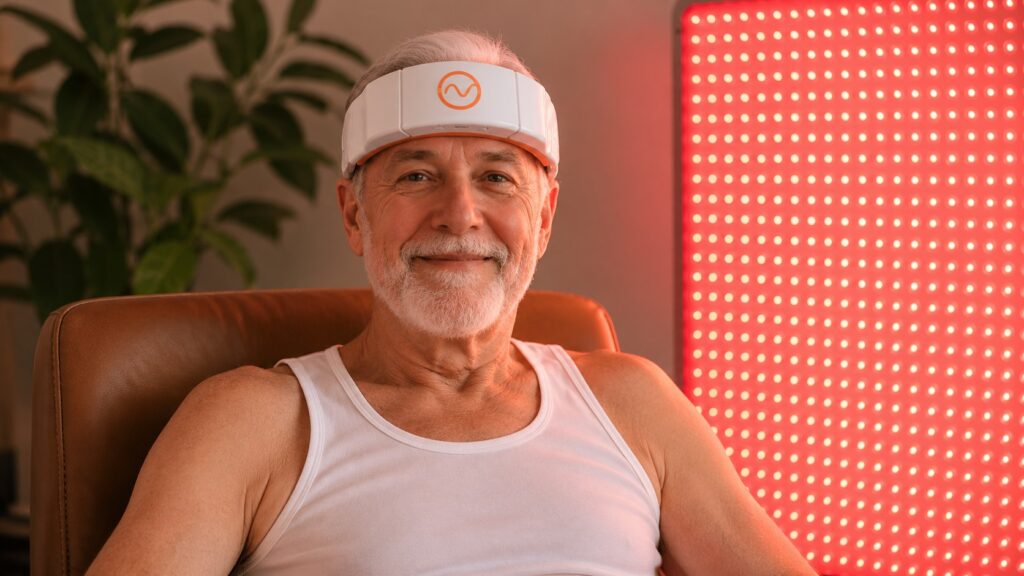
PBM applied to the head has shown promise in supporting memory, alertness, and overall brain function. It may slow decline in conditions like Alzheimer’s or dementia by reducing oxidative stress and improving mitochondrial energy production in brain cells.
5. Mental Health & Sleep
Isolation, depression, and disrupted sleep are common in nursing homes. Red light helps regulate the sleep–wake cycle (melatonin production), eases anxiety, and boosts mood naturally.
6. Gentle & Non-Invasive
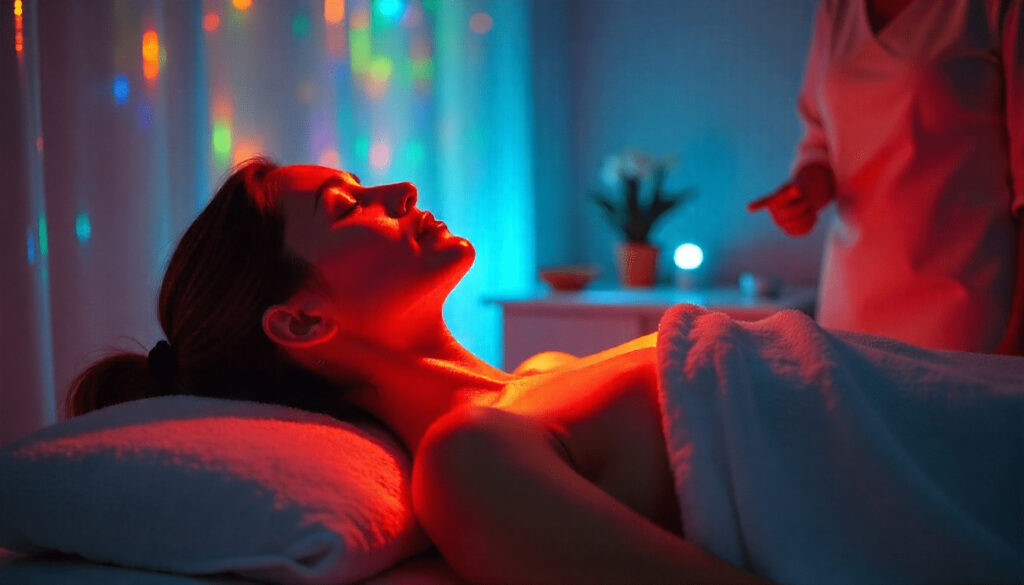
No drugs, no needles, no difficult procedures. Sessions are painless and relaxing — combined with hand, scalp, or foot massage for extra comfort.
7. Whole-Body Benefits
From improved circulation and immune support to reduced oxidative stress, RLT offers wide-ranging wellness benefits that can help residents feel more vibrant and engaged.