Parkinson’s disease affects far more than tremors. For many people, it comes with stiffness, muscular pain, reduced mobility, fatigue, poor sleep, and a nervous system that feels like it’s constantly working against them. And while medication can help manage symptoms, many Australians living with Parkinson’s are now exploring complementary therapies that support quality of life in a gentler, more holistic way.
One of the most exciting? Photobiomodulation (PBM) — also known as red light therapy.
So… Why Does PBM Help?
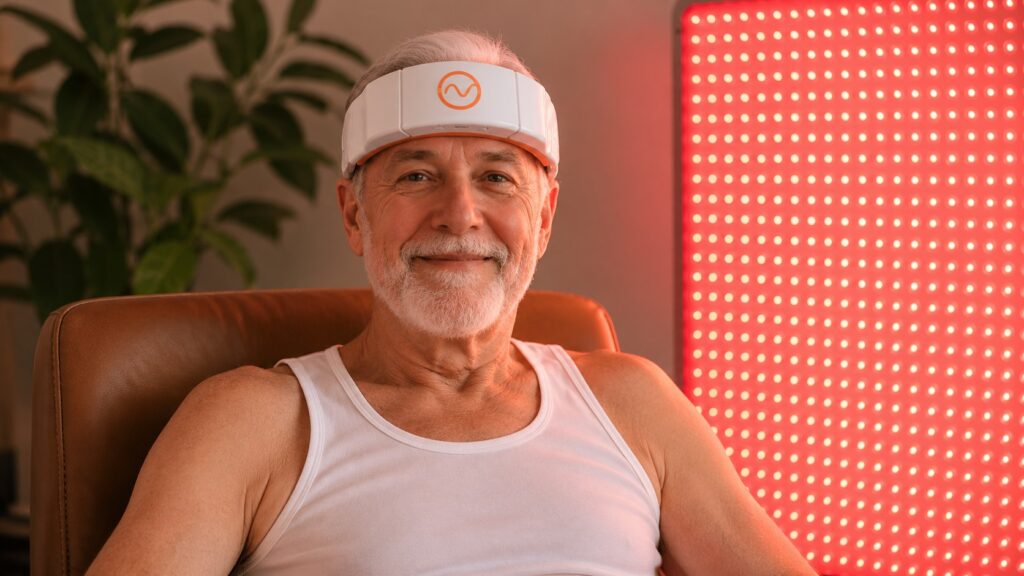
PBM uses specific wavelengths of red and near-infrared light to stimulate the mitochondria — the tiny energy producers inside our cells. Think of it as giving tired or struggling cells a little extra fuel and support.
In Parkinson’s, researchers believe PBM may help by:
- Supporting mitochondrial function and cellular energy production
- Reducing oxidative stress and inflammation
- Improving circulation and tissue repair
- Supporting nervous system regulation
- Potentially protecting dopamine-producing neurons
The result? Some people report less pain, easier movement, reduced stiffness, improved sleep, and a greater sense of wellbeing.
Parkinson’s Australia Is Paying Attention
Interest in PBM for Parkinson’s is growing rapidly worldwide, and organizations like Parkinson’s Australia have highlighted the emerging research and patient interest surrounding photobiomodulation therapies.
While PBM is not considered a cure, the early research is promising — particularly around symptom management, mobility, mood, and quality of life. Clinical trials are continuing internationally as scientists explore the connection between light, brain health, and neurodegenerative conditions.
What We’re Seeing at Resonance RLT
At Resonance Red Light Therapy, we’ve seen genuinely encouraging responses from clients living with Parkinson’s.
Many report:
- Increased range of movement
- Reduced muscular pain and rigidity
- Improved recovery after movement
- A calmer nervous system
- Better overall comfort in their body
For some, even small improvements can mean a lot — getting out of a chair more easily, walking with more confidence, sleeping better, or simply feeling less “locked up” physically.
The Nervous System Loves Light
PBM isn’t just about muscles and joints. The nervous system itself appears to respond to light therapy in fascinating ways. Researchers are now investigating how near-infrared light may influence neuroinflammation, circulation, cellular repair, and even communication pathways within the brain.
It’s one of the reasons PBM is now being explored not only for Parkinson’s, but also for neurological pain, brain injury recovery, cognitive decline, and nervous system regulation more broadly.
A Gentle, Non-Invasive Option
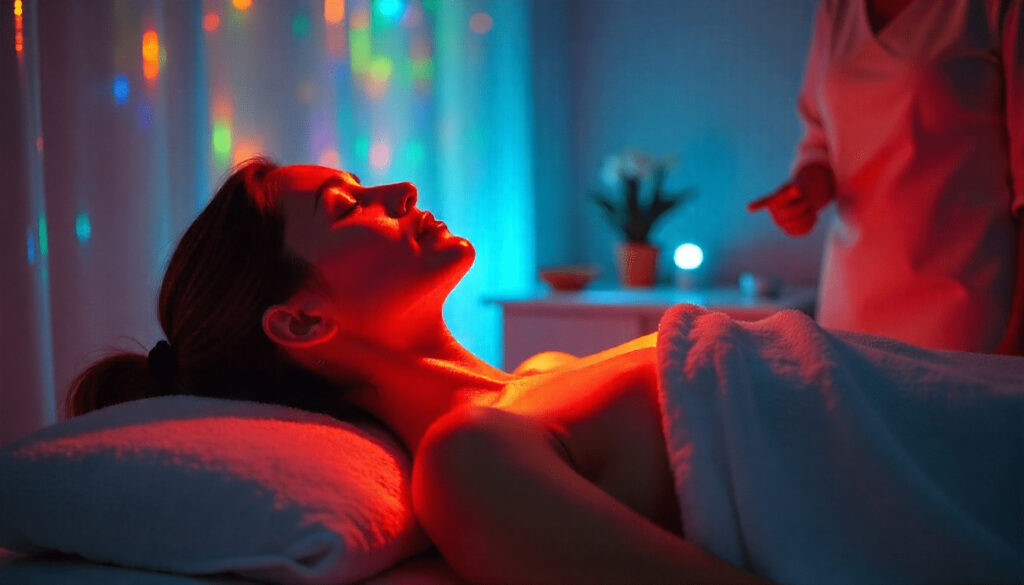
One of the reasons people are drawn to PBM is its simplicity. Sessions are painless, non-invasive, drug-free, and deeply relaxing. Many clients describe feeling calmer and more regulated after treatment — like their body has finally exhaled.
As research continues to evolve, one thing is becoming increasingly clear:
Light may play a much bigger role in neurological health than we once imagined.
And for many living with Parkinson’s, that possibility brings something incredibly valuable — hope.